


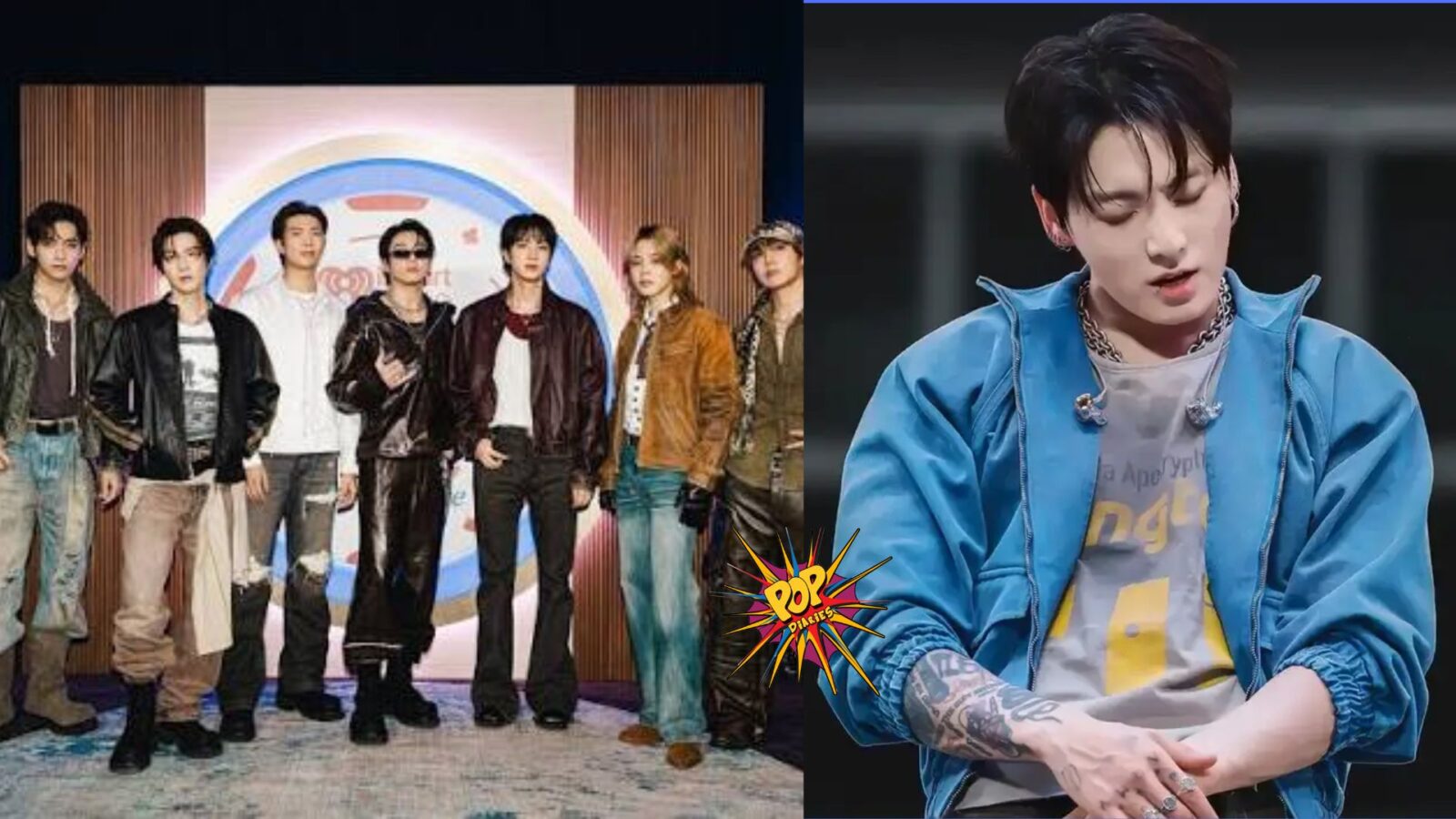
BTS’ appearance at the 2026 iHeartRadio Music Festival was supposed to be about the group’s return to a major US stage. Instead, a discussion about their performance has turned into a wider conversation about how Asian artists and their names are treated in Western media.
The controversy began after some BTS fans criticized the festival’s handling of the group’s set. Those concerns were later discussed on The Woody Show, an iHeartRadio-distributed program. The hosts pushed back against the criticism, but their comments about BTS member Jungkook and ARMY quickly drew a separate wave of backlash.
The discussion came after some fans questioned BTS’ performance time at the iHeartRadio Music Festival.
BTS closed the first night of the festival at T-Mobile Arena in Las Vegas on September 18. The group performed four songs — “SWIM,” “2.0,” “MIC Drop” and “FYA.” iHeartRadio described the performance as a specially curated set.
Some fans, however, felt that BTS had been given too little time and raised questions about the festival’s organization, including concerns about the broadcast and sound.
On The Woody Show, host Menace responded to those discussions and argued that BTS had been given a contracted 15-minute performance slot. He also said that other artists had received different amounts of stage time and rejected claims that BTS had been treated unfairly.
That could have remained a normal disagreement between a radio program and a fandom.
The problem was how the conversation continued.
During the broadcast, the hosts repeatedly struggled with or deliberately played around with Jungkook’s name.
For many fans, this was not simply a case of someone making an honest pronunciation mistake. They felt the way the name was handled turned an Asian artist’s name into the punchline.
That distinction matters.
People mispronounce unfamiliar names all the time. Usually, the reasonable response is to ask how the name is pronounced and make an effort to get it right. But when a name is repeatedly distorted for entertainment, viewers can understandably question whether the mistake is really about pronunciation.
That is why the incident has been discussed as more than just a disagreement between BTS and a radio show. Fans have connected it to a broader experience many Asian people have had when their names are treated as difficult, funny or not worth learning.
The hosts also took aim at BTS fans who had criticized the festival.
During the discussion, ARMY were referred to as “losers,” with the word repeated several times. The hosts also questioned the rationality of comments they had seen from fans online.
It is fair for a radio program to disagree with criticism. It is also fair for hosts to defend an event they are associated with.
But there is a difference between responding to criticism and turning an entire fan community into a punchline.
The backlash shows that many fans were not simply upset because someone disagreed with their complaints about BTS’ set. They objected to the tone used while addressing those complaints.
Fans have described the incident as racist, particularly because they believe Jungkook’s name was intentionally mocked rather than simply mispronounced.
That interpretation belongs to the fans and should be distinguished from what can be directly established from the broadcast. Still, the criticism raises a valid question about media standards: when does joking about an unfamiliar Asian name cross the line from ignorance into mockery?
There is no need to know every Korean name perfectly. Nobody expects that. What people can reasonably expect, however, is an attempt.
When a public figure’s name is unfamiliar, learning how to say it correctly is a small but meaningful sign of respect. That becomes even more important when the person is an internationally recognized artist appearing on a major US music platform.
There is also something uncomfortable about the timing.
BTS returned to the iHeartRadio Music Festival as one of the event’s headline acts, performing in front of a large US audience after their long group hiatus. iHeartRadio itself described their set as one of the festival’s anticipated performances.
Yet within days, the conversation shifted from their music to jokes about a member’s name and insults aimed at their fans.
BTS’ global success does not mean every criticism directed at them is automatically unfair. Artists can be criticized, and fans can be challenged when their reactions go too far.
But criticism of a performance should remain about the performance.
Once someone’s ethnicity, language or name becomes part of the joke, the conversation enters different territory.
For me, the most important part of this controversy is not whether BTS deserved more minutes on the iHeartRadio stage.
That question can be debated using the actual schedule and performance times. In fact, the radio hosts offered their own explanation, saying BTS had a contracted 15-minute slot and that other performers also received different lengths of time.
The bigger issue is how that disagreement was communicated.
You can call out a fandom’s behavior without mocking someone’s name. You can disagree with online complaints without treating millions of fans as one group of people who deserve to be insulted.
And if the intention really was only comedy, it is still reasonable to ask why an Asian artist’s name had to become part of the joke in the first place.
The reaction from ARMY has been strong, with fans across social media criticizing the broadcast and describing the name-mocking as racist. Some have also argued that deliberately mispronouncing Asian names for entertainment is a familiar form of disrespect.
Whether every criticism made online is fair is another question. As with any large fandom, individual reactions can vary widely.
But the central concern is easy to understand.
Jungkook’s name is not a punchline. Neither are the names of RM, Jin, Suga, J-Hope, Jimin or V. And disagreement with ARMY does not require treating the entire fandom with contempt.
BTS’ iHeartRadio appearance should ultimately be remembered for their music and their return to the stage


No comments yet